It’s the 5th of Dhul Hijjah. Five days until Eid. You’re scrolling your phone. Everyone’s posting about Eid preparations.
“Ordered my Qurbani.” “Bought new clothes for the kids.” “House cleaned.” “Gifts wrapped.”
You haven’t done anything. Eid is coming. You’re not ready.
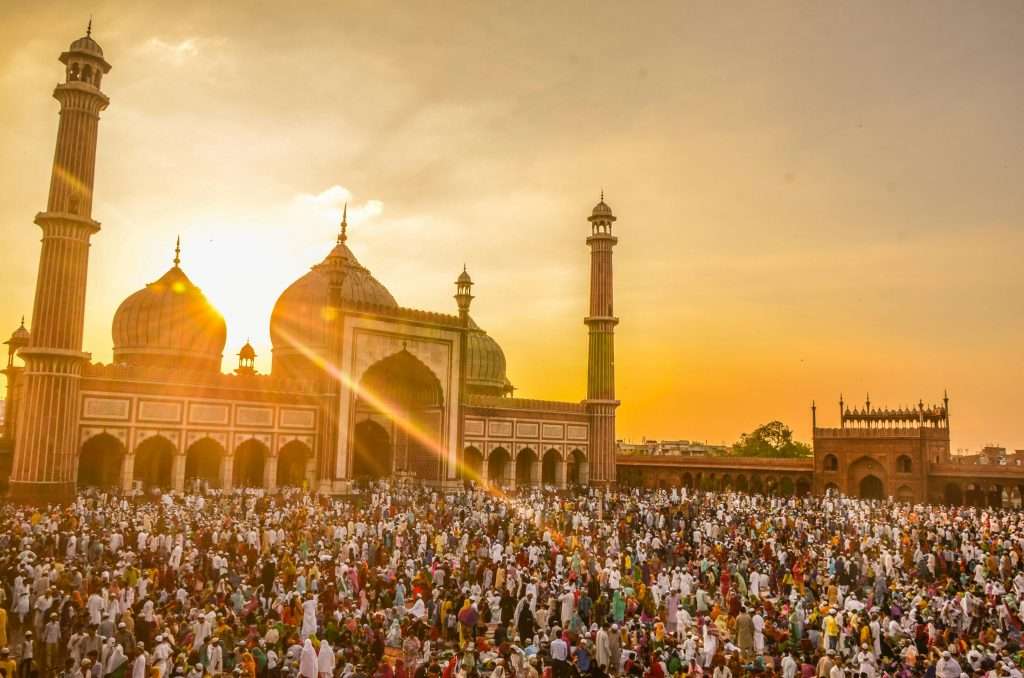
Or worse: You’ve done the shopping. Arranged the sacrifice. But you haven’t prepared spiritually. Your heart isn’t ready.
Eid al-Adha isn’t just a holiday. It’s not just about new clothes and meat distribution. It’s commemoration of Ibrahim’s ultimate test. His willingness to sacrifice his son for Allah.
That depth requires preparation. Physical and spiritual.
I remember my first Eid al-Adha as an adult. Independent. Responsible for my own Qurbani. My own preparations.
I rushed everything. Last-minute shopping. Forgot to arrange sacrifice until day before. Chaotic Eid morning. Stressed about logistics. Missed the spiritual meaning entirely.
That Eid felt empty. I did the rituals. But I didn’t experience Eid. Didn’t connect to Ibrahim’s story. Didn’t prepare my heart.
Next year, I started preparing 10 days early. Not just logistics. But heart preparation. Learning about Ibrahim. Understanding sacrifice. Making meaningful choices.
That Eid transformed me. Not because the rituals changed. But because I was ready. Physically and spiritually.
Let me share what I learned. How to prepare for Eid al-Adha. Not just survive it. But experience it.
Because Eid preparation? It’s worship too.
The Timeline: When to Start Preparing
Ideal Timeline:
Start preparations from the 1st of Dhul Hijjah (10 days before Eid).
Minimum:
At least 3-5 days before Eid.
Why Early:
- Qurbani animals get more expensive closer to Eid
- Butchers get booked
- Stores run out of popular items
- You avoid last-minute stress
- You have time for spiritual preparation
The Ten Days of Dhul Hijjah:
These first 10 days (including Eid day) are the best 10 days of the year.
The Prophet said: “There are no days in which righteous deeds are more beloved to Allah than these ten days.”
Use them for preparation AND worship.
Dr. Ahmed said: “People wait until the 9th to start preparing. Then they’re stressed, running around, no time for worship. Start on the 1st. Prepare calmly. Use these blessed days for extra worship, not just shopping.”
Spiritual Preparation: The Heart Work
1. Learn Ibrahim’s Story (Again)
Even If You Know It:
Review it. Read it. Watch lectures about it. Make it fresh.
Focus On:
- His willingness to sacrifice Ismail
- Ismail’s submission
- The test of ultimate obedience
- The ram as replacement
- The meaning of sacrifice
Why:
When you understand WHY we celebrate, your Eid becomes meaningful.
Resources:
- Read Qur’an 37:99-113 (Ibrahim’s sacrifice story)
- Watch YouTube lectures on Ibrahim’s life
- Read children’s Islamic books about it (simple, powerful storytelling)
With Your Family:
Tell the story to your children. Make it real. Relevant.
2. The First 9 Days: Increase Worship
These days are precious. Don’t waste them on just Eid shopping.
Fasting:
Fast the first 9 days of Dhul Hijjah, especially the 9th (Day of Arafat).
The Prophet fasted these days. The 9th day especially—fasting it expiates sins of the previous and coming year.
Can’t Fast All 9:
Fast what you can. Even just the 9th.
Extra Prayers:
Dhikr (Remembrance):
“Allahu Akbar, Allahu Akbar, la ilaha illallah. Allahu Akbar, Allahu Akbar, wa lillahil-hamd.”
(Allah is the Greatest, Allah is the Greatest, there is no god but Allah. Allah is the Greatest, Allah is the Greatest, and to Allah belongs all praise.)
Say this throughout these days. Especially after prayers.
Qur’an:
Read more. Reflect. Connect.
Charity:
Give extra. These days multiply rewards.
Fatima shared: “I used to spend the 10 days shopping and cooking. Then I restructured. Shopping done early. Mornings for worship (fasting, Qur’an, prayer). Afternoons for Eid prep. My Eid became spiritual, not just social.”
3. Examine Your Sacrifices
The Deeper Meaning:
Qurbani (animal sacrifice) is physical. But the real sacrifice is internal.
What Are You Sacrificing?
- Bad habits?
- Sins?
- Toxic relationships?
- Harmful entertainment?
- Time-wasters?
- Pride?
- Greed?
Before Eid, Decide:
“After this Eid, I will sacrifice [specific thing] for Allah.”
Make it specific. Make it real.
The Connection:
Ibrahim was willing to sacrifice his son. What are you willing to sacrifice for Allah?
4. Seek Forgiveness
These 10 Days:
Perfect time for tawbah (repentance).
Make a List:
- Major sins
- Habitual sins
- Sins against people
- Secret sins
Repent Sincerely:
“Astaghfirullah al-‘Azeem wa atubu ilayh.”
(I seek Allah’s forgiveness and repent to Him.)
Seek People’s Forgiveness:
If you wronged anyone, apologize before Eid.
Ahmed told me: “Every Eid, I call family members I’ve had tensions with. Ask forgiveness. Start fresh. That practice transformed my Eids. I celebrate with a clean heart. No grudges. No guilt.”
Physical Preparations: The Practical Work
5. Arrange Your Qurbani Early
Don’t Wait:
Book your sacrifice early. Prices rise. Availability decreases.
Options:
Local: Buy animal yourself, arrange local butcher.
Organization: Pay organization to sacrifice on your behalf (locally or abroad).
Verify:
- Age requirements (goat/sheep 1 year, cow 2 years, camel 5 years)
- Health requirements (no major defects)
- Trustworthiness of provider
If You Can’t Afford:
You’re not obligated. Don’t go into debt.
If you want to do it anyway, fast 10 days (3 during Eid days, 7 after).
6. Clean and Prepare Your Home
Why Clean:
Eid is celebration. Guests will come. Your home should reflect the joy.
What to Clean:
- Deep clean entire house
- Declutter
- Organize
- Make space for guests
When:
Start cleaning a week before. Don’t leave it for the night before.
Involve Family:
Make it family activity. Everyone helps.
The Spiritual Side:
As you clean your house, clean your heart too. Symbolic connection.
7. Shop for Eid (Strategically)
New Clothes:
Sunnah to wear new or best clothes on Eid.
For Whom:
- Yourself
- Spouse
- Children
- If you can afford it
Don’t Overspend:
Eid clothes don’t need to be expensive. Clean, modest, presentable is enough.
When to Shop:
Early in the month. Avoid Eid eve crowds.
What to Buy:
- Clothes
- Groceries for Eid meals
- Gifts (if giving)
- Decorations (if you do this)
- Ingredients for special foods
The Balance:
Yes, celebrate. But don’t let shopping overshadow worship.
Zaynab said: “I used to spend entire Dhul Hijjah shopping. Now I shop once, early in the month. Done. Rest of the days? Worship. My stress decreased. My spiritual connection increased. Better Eid.”
8. Plan Your Eid Meals
Traditional Foods:
Every culture has special Eid dishes. Plan what you’ll make.
Shop Early:
Get ingredients before stores run out.
Prep Ahead:
Some dishes can be partially prepared days before. Do it.
Don’t Overdo:
Eid is about celebration, not exhaustion. Don’t cook so much you can’t enjoy Eid.
Include Qurbani Meat:
Plan dishes using the sacrifice meat.
Consider Guests:
Who might visit? Prepare accordingly.
9. Organize Meat Distribution
The Three Portions:
Traditionally:
- 1/3 for your family
- 1/3 for friends/relatives
- 1/3 for the poor
Plan Distribution:
- Make a list of poor families to give to
- Prepare containers for meat portions
- Have a system (don’t leave it to chaos after slaughter)
If Using Organization:
They often distribute for you. Confirm how it works.
If Doing Locally:
Communicate with butcher about cutting and packaging.
10. Preparing for Eid Salah
Be Familiar with Location:
Where is the place of offering Eid Salah? Outdoor praying ground or a masjid?
Be Familiar with Timing:
Eid Salah should be performed after the sun rises and before it crosses its zenith.
Arrange Your Travel:
Think about how to travel there. Lots of traffic during that time.
What to Bring:
- Prayer mat (if outdoor location)
- Water
- Comfortable shoes (might walk from parking)
For Women:
Check if the prayer ground accommodates women. Plan accordingly.
11. Prepare Eid Gifts and Money
For Children:
Many give “Eidi” (Eid money/gifts) to children.
Prepare Early:
- Withdraw cash
- Put in envelopes
- Have enough for children who might visit
For Family:
If you exchange gifts, prepare them beforehand.
The Amount:
Give what you can afford. The joy matters, not the amount.
12. Make a Master Checklist
Physical List:
Actually write it down. Don’t trust memory.
Categories:
Worship:
- Fast Day 1-9
- Increase prayers
- Read Qur’an
- Give charity
- Make dhikr
Qurbani:
- Book sacrifice
- Confirm details
- Prepare containers for distribution
- Make list of recipients
Shopping:
- Clothes for family
- Groceries
- Ingredients for special foods
- Gifts/Eidi money
House:
- Deep clean
- Declutter
- Prepare guest areas
Eid Day:
- Eid prayer location/time
- Prepare for guests
- Plan meals
Check Off Items:
As you complete each task. Satisfying and keeps you organized.
Ibrahim said: “I’m a list person. My Eid checklist starts 10 days before. Physical tasks. Spiritual tasks. I check them off daily. By Eid morning, everything’s done. I can actually enjoy Eid instead of stressing about what I forgot.”
Special Preparations: Going Beyond Basic
13. Reach Out to Disconnected Family
Use Eid as Bridge:
Call relatives you haven’t spoken to. Send messages. Reconnect.
Especially:
- Elderly relatives
- Distant cousins
- Those you’ve had disagreements with
The Message:
“Eid Mubarak! Thinking of you. Hoping we can connect this Eid.”
The Reward:
Maintaining family ties is highly rewarded. Eid is perfect excuse.
14. Remember the Lonely
Who Might Be Alone:
- Converts with no Muslim family
- International students far from home
- Elderly with no family nearby
- Widows/widowers
- Single people
Invite Them:
To your Eid prayer, meal, or gathering.
The Impact:
You might be their only Eid celebration.
15. Prepare Children Spiritually
Tell Them the Story:
Ibrahim’s sacrifice. Make it age-appropriate. Engaging.
Explain Why We Sacrifice:
Not just “it’s tradition.” But the meaning. The obedience to Allah.
Involve Them:
- In preparing charity meat
- In making Eid decorations
- In choosing who to give Qurbani meat to
Make Eid Educational:
Not just fun. But meaningful.
Omar shared: “I take my kids to see the Qurbani animals before Eid. Explain Ibrahim’s story there. They pet the animals. Understand we’re following Ibrahim. That experience—seeing the animal, understanding the sacrifice—made Eid real for them.”
16. Plan Your Takbeer
From Fajr of 9th Until Asr of 13th:
Men should recite Takbeer loudly.
The Takbeer:
“Allahu Akbar, Allahu Akbar, la ilaha illallah. Allahu Akbar, Allahu Akbar, wa lillahil-hamd.”
Where:
- After prayers
- In the streets
- At home
- In the car
- Everywhere
Women:
Recite softly.
Create the Atmosphere:
When everyone’s making Takbeer, Eid feels special.
17. Prepare Your Dua List
At Arafat (9th):
Even if you’re not doing Hajj, the 9th of Dhul Hijjah is special. Fasting this day expiates sins.
Make Extensive Dua:
For yourself, family, ummah.
On Eid Morning:
After Eid prayer, dua is accepted.
Write Down:
Specific duas. Don’t leave it to memory.
The Night Before Eid
Don’t Stay Up Too Late:
You need energy for Fajr and Eid prayer.
Final Preparations:
- Lay out Eid clothes
- Confirm Eid prayer time/location
- Prepare breakfast items
- Have Eidi money ready
Make Dua:
Ask Allah to accept your worship of the past 10 days. To make your Eid blessed.
Sleep Early:
Eid starts early. You want to be fresh.
Eid Morning Checklist
Before Fajr:
- Wake for tahajjud if possible
- Make sincere dua
After Fajr:
- Ghusl (ritual bath)
- Wear best clothes
- Apply perfume
- Eat dates (odd number) before leaving for Eid prayer
Before Leaving:
- Confirm everyone’s ready
- Have prayer mats if needed
- Leave early (to get good parking/seating)
At Eid Prayer:
- Listen to khutbah attentively
- Make dua after prayer
- Greet everyone: “Eid Mubarak! Taqabbal Allahu minna wa minkum” (May Allah accept from us and from you)
After Prayer:
- Sacrifice (or confirm it’s being done)
- Return home via different route (sunnah)
- Celebrate with family
- Distribute meat
- Visit family and friends
- Give charity
Errors to Steer Clear Of During Preparation
Error 1: Prioritizing preparation over worship. Solution: Do both. Shop ahead of time but make sure you have enough time left for worship as well.
Error 2: Overlooking the logistics aspect. Solution: Do plan. Make arrangements in advance for a hassle-free Eid.
Error 3: Unnecessary spending. Solution: Budget. Allocate a certain amount of money for your purchases and stick to it.
Error 4: Ignoring the poor. Solution: Have a proper plan. Distribute their share among them.
Error 5: Leaving out children. Solution: Involve them in preparations. Guide them and teach them the significance of Eid ul Adha.
Error 6: Being stressed out during preparations to the extent that you don’t enjoy Eid ul Adha itself. Solution: Prepare in advance. Do not be overly concerned with perfection.
Conclusion: Get Ready To Observe Your Sacrifice
Preparing for Eid ul Adha is more than just shopping and getting things ready. It is all about preparing spiritually and reflecting upon Ibrahim’s test and sacrifice.
The Complete Preparation:
Spiritual:
- Fast the first 9 days
- Learn Ibrahim’s story
- Increase worship
- Repent sincerely
- Decide what you’ll sacrifice for Allah
Physical:
- Arrange Qurbani early
- Clean your home
- Shop strategically
- Plan meals
- Organize meat distribution
- Prepare for Eid prayer
Social:
- Reconnect with family
- Invite the lonely
- Prepare gifts/Eidi
- Plan hospitality
With Children:
- Teach the meaning
- Involve them in preparations
- Make it educational
When you prepare this way—spiritually and physically—Eid becomes transformation. Not just tradition.
You commemorate Ibrahim’s sacrifice. You examine your own. You celebrate with meaning.
That’s Eid al-Adha. Not just a holiday. A spiritual milestone.
May Allah accept your preparations. May He make your Eid blessed. May you celebrate with sincere hearts and transformed lives.
Start preparing now. Ten days. Use them wisely.
Eid Mubarak in advance.