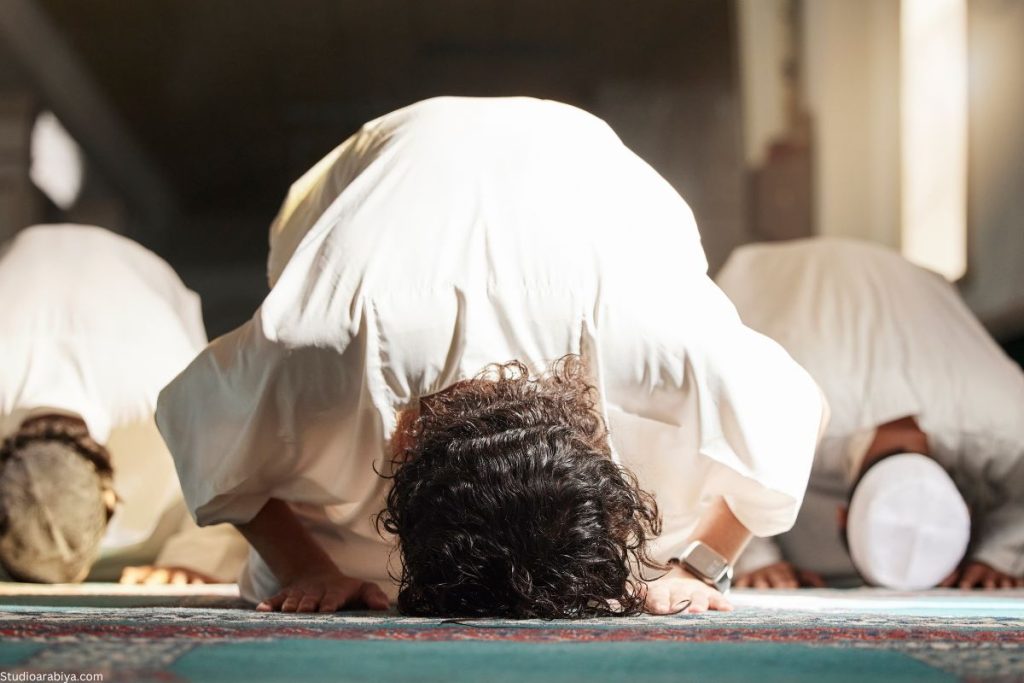
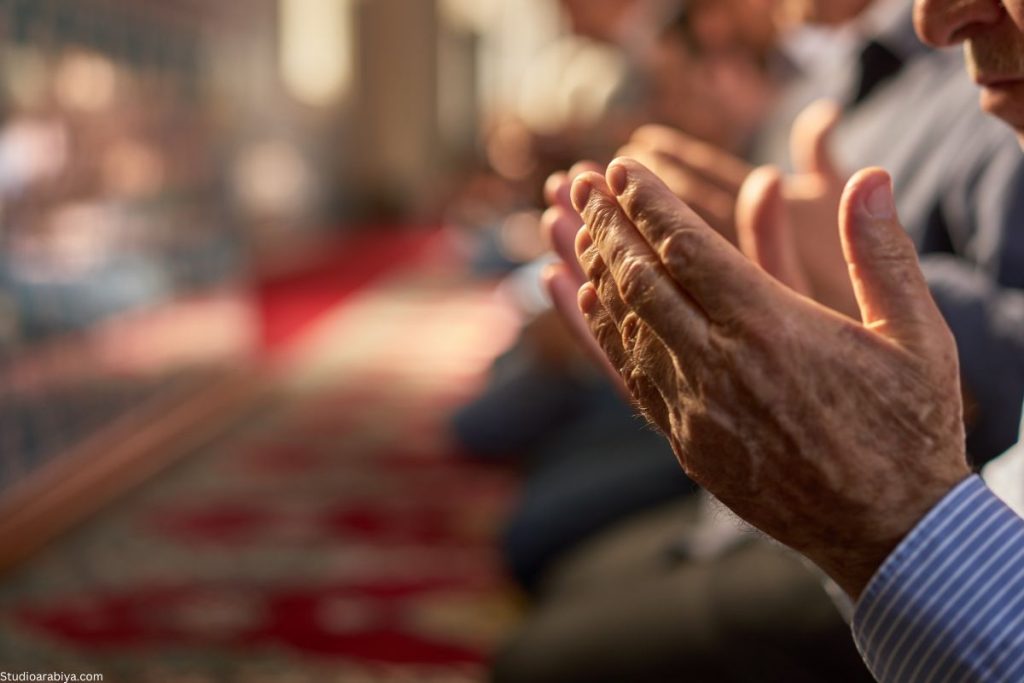
The daily prayers are a fundamental aspect of each Muslim life. Prayer is one of the five pillars in Islam and it is a way of communicating with Allah Almighty. it gives us a chance to worship Allah, make Dua, and Ask Allah for what we wish to come true.
for many prayers are just rituals practiced five times a day, but it is more than that. it brings us closer to Allah and enhances our spiritual, psychological, and physical life. therefore, we are going to discuss the benefits of Fajr Namaz, how to pray it, and more, let’s get started!
What is the Importance of Fajr prayer?
The importance of Fajr namaz prayer are countless on the spiritual and physical aspects. Here are some of the many benefits of praying Fajr:
1. A Symbol of Devotion and Obedience
Fajr Namaz is one of the most difficult prayers. Why? because most people are asleep and find it difficult to wake up at dawn. Therefore, praying it is a sign of devotion and Obedience. It shows the strength of our faith.
2. Beginning the Day with Remembrance of Allah
Fajr is the first prayer, it is what you start your day with. Starting our day with Fajr prayer is the best thing to do. You will feel positive, have some peace of mind, focus on worshipping Allah, and reflect on your prayer.
3. Spiritual Cleansing and Renewal
Praying Fajr prayer is a symbol of faith. Praying Fajr prayer is a symbol of faith. It is difficult to wake up early for prayer for many Muslims and they delay it until they wake up. therefore, it is important to keep in mind that waking up at the break of dawn when everyone is still asleep and worshipping Allah cleanses one’s soul.
4. Barakah (Blessings)
Fajr Namaz is a source of Barakah and blessing. Many scholars stated that the time of Fajr is the best time to start our day. Not just scholars, it is known that waking up early is the best way to be productive. If your try it yourself you would notice the difference. You will feel like you have all the day to be productive.
Do you know what else helps you have a blessed and productive day? Your Morning dua; Learn how to make your morning Dua here.
5. Protection and Guidance
Praying Fajr protects you from all evil. Certain hadiths state that a person who prays at Fajr will be safeguarded all day. Furthermore, it is ideal to begin each day by pleading with Allah for protection and direction. Your productivity and the amount of work you can get done will astound you.
6. Strengthening Faith and Discipline
One approach to grow stronger in their faith is to observe the Fajr prayer. As we previously said, making the adjustment to wake up early for prayer requires some practice and adjustments to our daily schedule. Making a commitment to pray Fajr on time demonstrates your willingness to go above and beyond to please Allah and heed his instructions.
Ready to learn?
Start Learning!
Fajr prayer in the Quran and Sunnah
The benefits and rewards of Fajr prayer are countless, Here are some Quranic verses and hadiths to prove that:
Quranic verses about Fajr:
In Surah Al-Isra (17:78): “Observe the prayer from the decline of the sun until the darkness of the night and the dawn prayer, for certainly the dawn prayer is witnessed ˹by angels˺.
The verse shows the importance of praying Fajr prayer and reciting Quran as they are witnessed by angels.
In Surah Al-Fajr (89:1-2):
“By the dawn, and the ten nights”.
The verse shows the importance of the time of Fajr prayer and the time afterward.
In Surah An-Nur (24:58):
” O believers! Let those ˹bondspeople˺ in your possession and those of you who are still under age ask for your permission ˹to come in˺ at three times: before dawn prayer”
From this verse we learn the exact Fajr prayer time. and what makes it a special time.
Sahih Bukhari and Sahih Muslim narrated that Prophet Muhammad (peace be upon him) said:
“Whoever prays the two cool prayers (Fajr and Asr) will enter Paradise.” (Sahih Muslim 635)
From this hadith we get that Asr and Fajr prayers are of great importance. The one who pray them are promised paradise.
Sahih Muslim narrated that Prophet Muhammad (peace be upon him) said: “The two rak’ahs (Sunnah) at dawn (Fajr) are better than this world and all it contains.” (Sahih Muslim 725)
From this hadith we understand that praying the sunnah of Fajr prayer is rewarding for us all. This encourages us to pray and maintain it.
Sahih Bukhari also narrated that Prophet Muhammad (peace be upon him) said: “Angels come to you in succession by night and day, and all of them get together at the time of the Fajr and Asr prayers. Then those who have stayed with you overnight, ascend (to Heaven) and Allah asks them (about you)—and He knows everything about you. ‘In what state did you leave My slaves?’ The angels reply: ‘When we left them, they were praying, and when we came to them they were praying.’” (Sahih Bukhari 555)
What is Fajr prayer time?
The Fajr prayer time is the time when the sky starts to lighten before sunrise. It starts at what is called true dawn. Which is known as the time at which a horizontal line of light appears on the horizon. The false dawn is known as the vertical line of light known that appears in the sky. Additionally, it is important to note that Fajr’s time ends at sunrise, which is the time when the sun’s upper limb appears above the horizon.
Importance of Praying on Time.
Here are some of the benefits of praying Fajr on time:
1. Completing a Divine Injunction
In Islam, Allah gives the order to pray (salah) directly. The significance of setting aside time for prayer is emphasized over and again throughout the Quran. As an example, Allah states in Surah An-Nisa (4:1003), “Verily, the believers are enjoined to pray at fixed hours.” Punctual prayer attendance is a sign of submission and obedience to Allah’s will.
2. Mindfulness and Spiritual Discipline
Punctual prayer fosters self-control and attentiveness. It assists people in organizing their days around spiritual activities as opposed to material pursuits. This discipline helps a believer maintain self-control and a continual reminder of their obligations to Allah, which helps them stay connected to their faith throughout the day.
3. The Blessings of Barakah
According to Islamic teachings, one receives barakah, or divine benefits, in their lives when they offer prayers at the appointed times. A believer who observes prayer times regularly can benefit from the wisdom and spiritual advantages that each prayer time offers, which can enhance both their spiritual and material lives.
4. Steer clear of procrastination and neglect
Postponing prayers might result in carelessness and a slow deterioration of faith. When the hour for prayer approaches, the Prophet Muhammad (peace be upon him) stressed how important it is to hurry. Punctual prayer helps avoid procrastination and guarantees that this essential Islamic tenet is neither forgotten or delayed.
5. Witnessing by Angels
Hadith states that angels keep a record of all human activity, including prayer. Being consistent and on time in one’s prayers is an indication of a serious and devoted believer. It is also considered a beneficial deed. Angels witness the Fajr and Asr prayers to observe the deeds of the believers, according to the Prophet Muhammad (peace be upon him) (Sahih Bukhari).
6. Consistency in Worship
Establishing a regular worship routine is facilitated by consistently offering prayers on time. This constancy can improve one’s entire spiritual development and progress in addition to fortifying one’s relationship with Allah and fostering the practice of frequent worship. Therefore, you should make sure to pray Fajr Namaz on time.
7. Protection and Peace
Through prayer, one can ask Allah for peace and protection. For example, if you begin your day with Fajr, you can ask Allah to guide and protect you throughout the day. In a same vein, every prayer is a chance to ask for mercy and forgiveness, bringing comfort and serenity.
Ready to learn?
Start Learning!
What are the Benefits of Fajr Namaz?
Fajr Namaz has several advantages that affect us. on the spiritual, physical, and psychological levels. In addition to being a holy obligation. Here are just a few of the numerous ways that our morning prayer benefits us:
Spiritual Advantages
1. Strengthened Bond with Allah
During the Fajr prayer, everything is calm and peaceful. Which encourages deep spiritual reflection and a closer bond with Allah. Prayer, reading aloud from the Quran, and drawing nearer to the Creator. They are all ideal during this time.
2. Divine Blessings and Protection:
The Prophet Muhammad (peace be upon him) stated that people who offer the Fajr prayer are covered by Allah’s protection all day long. This sense of favor and protection from above is a major spiritual advantage.
3. Cleaning of Sins:
Just as other prayers, regular Fajr prayer observance leads to spiritual purification. It aids in daily faith renewal and the forgiveness of small transgressions.
4. Barakah (Blessings) throughout the Day:
Saying the Fajr prayer at the beginning of the day invites barakah into one’s life. Early in the morning, the Prophet Muhammad (peace be upon him) prayed for his people to be blessed, implying that work completed after Fajr is blessed with success and productivity.
Physical Advantages
1. Physical Exercise:
Salah is a light kind of exercise that improves flexibility and blood circulation. These movements include standing, bowing, and prostrating.
2. Sleep Pattern Regulation:
Getting up early for Fajr aids in sleep pattern regulation. It promotes early rising and sleeping schedules, which are advantageous for general physical health.
Psychological Benefits
1. Mental Clarity and attention:
Saying the Fajr prayer helps people start the day with mental clarity and attention since it sets a positive tone for the day. The practice of rising early and praying can help to hone cognitive abilities and increase focus all day long.
2. Stress Reduction and Inner Calm:
Praying and being in communication with Allah calms and soothes the soul. It has a relaxing impact that can continue all day long, helping to relieve tension, worry, and other negative feelings.
3. Sense of Discipline and Purpose:
Observing Fajr on a regular basis helps people develop these qualities. It fosters a responsibility and timeliness-oriented habit that can benefit both personal and professional efforts in life.
What are the challenges of praying to Fajr Namaz?
It can be difficult to wake up for Fajr Namaz, particularly if you’re not a morning person. But fear not—there are useful strategies to make things go more smoothly. Let’s examine some typical obstacles and strategies for overcoming them:
Obstacles
1. Early Wake-Up Time:
The Fajr prayer is said before dawn, which can be difficult for people with irregular sleep habits or who are not early risers.
solution: Create a Regular Sleep Schedule You may make sure you get enough sleep and ease the process of rising up for Fajr by going to bed early.
2. Quality of Sleep:
Getting up early might be challenging. Especially if you don’t get enough good sleep. Which can make you exhausted and have trouble focusing.
resolution Establish a Nightly Routine: Create a relaxing bedtime ritual to enhance the quality of your sleep. For example, before going to bed, try reading, practicing meditation, or avoiding screens.
How to pray Fajr Namaz?
Here is a quick guide to doing Fajr Namaz that breaks down each step to help you have a meaningful and seamless prayer routine:
1. Preparing for the prayer.
• Making Sure It’s Clean: To make sure you are in a state of ritual cleanliness, perform Wudu, or ablution. This is giving a thorough water wash to the hands, mouth, nose, face, arms, head, and feet.
• Wear Proper Clothes: Dress modestly and cleanly.
• Locate a Spotless Area: Pick a spotless, peaceful place on the floor to pray on, or better yet, a prayer mat.
2. Intention (Niyyah)
• Set the Intention: Contemplate doing Fajr Namaz in silence before beginning the prayer. This need only be a serious resolve to pray; it is not necessary to say out loud.
3. Start the prayer
• Stand facing the Qibla.
• Raise Your Hands: Say “Allahu Akbar” (Allah is the Greatest). Do that while raising both hands to your ears. This signals the start of the prayer and is called Takbir al-Ihram.
4. Read Surah Fatihah
• Recite Surah Al-Fatihah: This is a required portion of each Rak’ah (unit of prayer). Once you have said recite another surah.
5. Recitation of Another Surah
• Reciting any further brief surah is the next stage. Recite another Surah or a few Quranic verses after finishing Surah Al-Fatihah. The Surahs An-Nas, Al-Falaq, and Al-Ikhlas are popular selections.
6. Ruku (Bowing)
• Bow Down: in the Ruku you bow down putting your hand on your knees after saying “Allahu Akbar” and say “Subhana Rabbiyal Azim” (Glory is to my Lord, the Most Great) three times.
7. Getting Back Up
• Get up from your kneeling position and repeat, “Sami’ Allahu liman Hamidah” (Allah hears the praises of the righteous). Then recite “Rabbana Lakal Hamd” (All glory belongs to You, Our Lord).
8. Sujud (Assembly)
• Bow, place your hands on your forehead, nose, palms, knees, and toes, and utter the words “Allahu Akbar.” Then, recite “Subhana Rabbiyal A’la” (Glory is to my Lord, the Most High) trois fois.
• Sit Between the Two Sujuds: Say “Allahu Akbar” and take a seat on your legs following the initial prostration. Say “Rabbighfir li” (My Lord, please pardon me) while seated.
• Execute the Second Sujud: Recite “Subhana Rabbiyal A’la” while prostrating once more and saying “Allahu Akbar.”
9. Finish the Rak’ahs
• Finish the Necessary Rak’ahs: Perform two Rak’ahs for Fajr. After the second prostration in the second Rak’ah, move on to the testifying (Tashahhud) position.
10. The Testimony of Tashahhud
Say the Tashahhud:
التَّحِيَّاتُ لِلَّهِ وَالصَّلَوَاتُ وَالطَّيِّبَاتُ السَّلَامُ عَلَى النَّبِيُّ وَرَحْمَةُ اللَّهِ وَبَرَكَاتُهُ السَّلَامُ عَلَيْنَا وَعَلَى عِبَادِ اللَّهِ الصَّالِحِين. أَشْهَدُ أَنْ لا إِلَهَ إِلَّا اللَّهُ وَأَشْهَدُ أَنَّ مُحَمَّدًا عَبْدُهُ وَرَسُولُهُ
اللَّهُمَّ صَلِّ عَلَى مُحَمَّدٍ وَعَلَى آلِ مُحَمَّدٍ كَمَا صَلَّيْتَ عَلَى إِبْرَاهِيمَ وَعَلَى آلِ إِبْرَاهِيمَ إِنَّكَ حَمِيدٌ مَجِيدٌ. اللَّهُمَّ بَارِكْ عَلَى مُحَمَّدٍ وَعَلَى آلِ مُحَمَّدٍ كَمَا بَارَكْتَ عَلَى إِبْرَاهِيمَ وَعَلَى آلِ إِبْرَاهِيمَ إِنَّكَ حَمِيدٌ مَجِيد
11. End the Prayer
Perform private prayers (Dua): Following Tashahhud, you can make Dua. Then turn your head to the right and recite the phrase “As-salamu ‘alaykum wa rahmatullah” (Peace and mercy of Allah be upon you). Turn to left, repeating the same words to end the prayer.
Conclusion.
Although it can be a little challenging. Praying the Fajr prayer Namaz is worthwhile. Praying it will yield numerous benefits for the one who offers it. It is among the five prayers said each day. You might encourage yourself to pray the Fajr prayer by setting an alarm and praying Allah to help you wake up for the prayer. You can also strive to commit to praying it.
Ready to learn?
Start Learning!
Source