
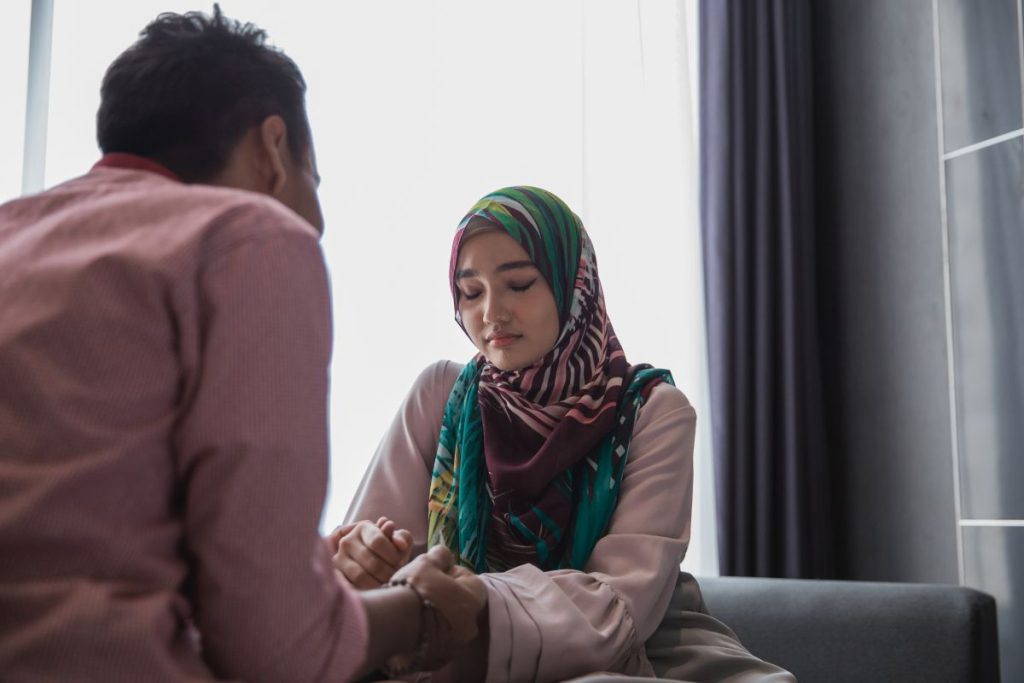
With moderation and respect for Allah’s will, Islam provides clear guidelines on how to console individuals who are grieving. So, how to give condolences in Islam?
In Islamic custom, expressing sympathy has two functions: it expresses the acknowledgment of the loss experienced by the departed individual and acts as a reminder of Allah’s wisdom and the value of patience (sabr) throughout difficult circumstances.
Islamic condolences include showing compassion, reminding the bereaved of Allah’s will, offering practical assistance like food or participation in the Janazah prayer, and making dua for the deceased. Prophet Muhammad (PBUH) also encouraged the practice of making du’a (supplications) and nice words for the deceased in addition to providing comfort to the bereaved physically.
We will highlight the physical and spiritual aspects that aid in the grieving process and provide consolation to the bereaved in this article’s analysis of Islamic traditions and instructions for showing sympathy.
How to Give Condolences in Islam?

The Islamic etiquette of offering condolences includes:
- Express compassion
- Read dua for the deceased
- Encourage Patience (Sabr)
- Offer practical help
- Avoid excessive grieving
- Attend the Janazah
These customs stem from a desire to uphold Islamic beliefs while demonstrating empathy and helping the bereaved family. So, let’s discuss each point in more detail:
1. Express Compassion
In Islam, offering words of comfort is key to supporting the bereaved. Common phrases include
“Inna lillahi wa inna ilayhi raji’un” (We belong to Allah, and to Him we shall return).
These phrases remind both the mourner and the one offering condolences that life and death are within Allah’s plan, providing comfort and spiritual perspective.
The words should be sincere, comforting, and brief. Islam teaches that comfort lies not in lengthy speeches but in heartfelt, meaningful expressions of empathy.
2. Read Dua for the Deceased
Offering dua for the deceased is highly encouraged in Islam. Common duas include:
“O Allah, forgive him and have mercy on him.”
Muslims think that the dead can gain something in the hereafter by praying for Allah’s pardon and mercy.
The significance of making dua for the deceased is underscored by the Prophet Muhammad (PBUH), as it is an action that can benefit them even after they pass away. The knowledge that prayers are being said for their loved ones gives the family further comfort.
3. Encourage Patience
In Islam, patience is considered one of the best qualities, especially in times of adversity. Reminding the deceased of the blessings Allah provides for those who patiently endure sorrow is a customary way to express sympathy.
The Prophet (PBUH) stated,
“When Allah loves a person, He tests them with trials, and whoever is patient, Allah will grant them patience.”
Knowing that enduring the suffering with patience will be rewarded helps the bereaved family accept the loss as part of Allah’s greater plan.
4. Offer Practical Help
In the days immediately following a death, it is encouraged in Islam to provide food and practical assistance to the family. The Prophet (PBUH) said:
“Prepare food for the family of Ja’far, for there has come to them that which is preoccupying them.” (Tirmidhi).
This shows that grieving families may be overwhelmed and unable to handle daily tasks, so offering help is a sign of care and compassion.
Other forms of support could be food planning, grieving transportation, or funeral planning. In addition to relieving the family’s burden, these deeds of goodwill also uphold the Islamic precept of helping those in need.
5. Avoid Excessive Grieving
Islam forbids excessive mourning, such as weeping, shredding garments, or other actions that allude to dissatisfaction with Allah’s will, even if it is normal to show grief.
Islam emphasizes moderation in all areas, including grieving. The Prophet (PBUH) said:
“He is not one of us who slaps his cheeks, tears his clothes or cries out like the cries of Jahiliyyah (pre-Islamic ignorance).” (Bukhari).
Have faith in Allah’s wisdom Although losing a loved one can be challenging, Muslims are urged to have faith in Allah’s purpose. The bereaved family can find comfort in their religion and be able to prevent severe sadness by being reminded of Allah’s wisdom.
6. Attend the Janazah (Funeral)
Along with blessings for the deceased, attending the Janazah offers participants spiritual advantages. It reminds everyone that death is a fact of life and fortifies the ties that bind the Muslim community together.
When taken as a whole, these manners demonstrate Islam’s all-encompassing approach to grieving, emphasizing compassion, spiritual guidance, and helpful assistance while never forgetting Allah’s supreme wisdom.
What are the Methods of Giving Condolences in Islam?
In Islam, there are several methods of giving condolences, each reflecting the spirit of compassion and support while adhering to Islamic etiquette. Here are the main methods:
1. In Person
The most common and preferred method is to visit the family in person. This allows for direct, face-to-face expression of sympathy and support.
Keep the visit brief, respectful, and focused on offering comfort. Use phrases like “Inna lillahi wa inna ilayhi raji’un” and avoid conversations that might distress the grieving family. Sit quietly, make dua for the deceased, and offer words of comfort.
While it’s important to be present, avoid staying for an extended time or being overly talkative, as the family might need quiet time.
2. By Phone
If you are unable to pay a visit, a polite phone call will convey your sorrow. When distance or other obstacles make it impossible for you to attend in person, phone calls are a sensible solution.
Keep the conversation calm and empathetic. Acknowledge the loss and offer comforting words, reminding the bereaved of Allah’s mercy and the importance of patience. Avoid long calls unless the bereaved wants to talk.
3. Through Written Messages
If a visit or phone contact is not feasible, another way to show support is to write a letter of condolence or send a message via text or email.
Items to Add: Send your condolences, make a dua in memory of the departed, and remind the recipient of Allah’s benevolence and wisdom. Respect others, don’t overwrite the message, and emphasize honesty over formality.
Sample Message:
“Inna lillahi wa inna ilayhi raji’un. May Allah grant you patience and strength in this difficult time. I am praying for [the deceased’s name] and asking Allah to forgive their sins and grant them Jannah.”
Conclusion
In Islam, sending condolences is a very spiritual gesture that keeps the Muslim community closer together in addition to being a method to show sympathy. Making a dua for the departed, consoling the grieving with kind words, and promoting patience (sabr) are all part of how to give condolences in Islam.
One Step closer to Allah
Learn the Quran Today 🌙
Source