
Many Muslims wonder do you fast on Eid Al Fitr? Eid is an important celebration in Islam, as it celebrates the end of Ramadan and the breaking of the fast. It is a time for Muslims to unite and form closer ties with each other.
In some countries, Eid is a national holiday and in others it is a state or territorial holiday. Muslims worldwide observe it as a holiday of prayer, gathering and giving charity.
History and Significance of Eid in Islam
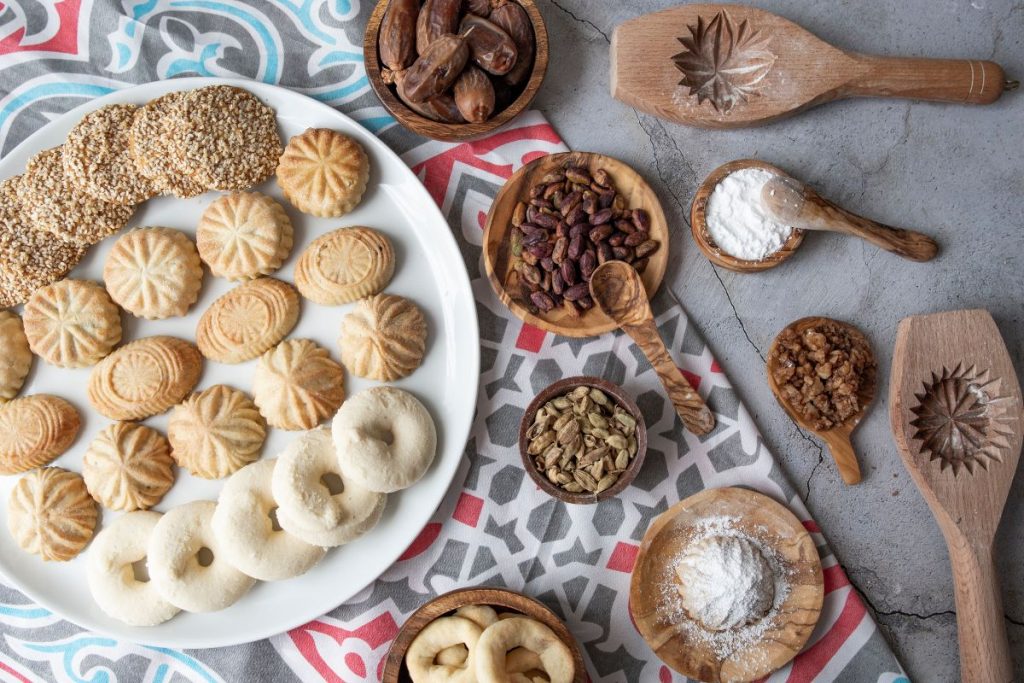
Eid is an important Islamic festival, celebrate happy events for Muslims all over the world. Islam has two big Eid celebrations Eid al-Fitr and Eid al-Adha, both celebrating faith and tradition.
Eid al-Fitr, which is also referred to as Eid ul-Fitr, is an important celebration that takes place following the end of Ramadan, which is the holy month of fasting in the Islamic lunar calendar.
Muslims celebrate the occasion as a way to show gratitude and reflection. It was the Prophet Muhammad (peace be upon him) who established this Eid celebration, after sighting the crescent moon, marking the beginning of the first day of Eid.
Eid al-Fitr, the festival marking the end of the fasting month, was introduced in Medina following Prophet Muhammad’s migration from Mecca and represents a new dawn in the Muslim community.
The Prophet Muhammad, peace be upon him, prescribed two obligatory holy days. Anas ibn Malik reported that the Prophet, peace be upon him, said:
- Eid al-Fitr, which comes after the month of Ramadan and the breaking of the fast.
- Eid al-Adha, commemorating the willingness of Prophet Ibrahim to sacrifice his son to obey Allah.
Differences between Eid al-Fitr and Eid al-Adha
While both Eids are times of gratitude, worship and unity, they differ in their history, rituals and duration.
| Aspect | Eid al-Fitr | Eid al-Adha |
| Meaning | Signal the end of Ramadan and the breaking of the fast. | Marks Prophet Ibrahim’s (AS) readiness to sacrifice his son for Allah’s sake. |
| Timing | Celebrated on the 1st of Shawwal (the month after Ramadan). | On the 10th of Dhul-Hijjah, during Hajj. |
| Religious Significance | Celebration of Success after Month of Ramadan. | The spirit of sacrifice and to devote to Allah. |
| Prayer | Salat al-Eid with a sermon. | Salat al-Eid: It is a special Salat with a sermon. |
| Fasting | Forbidden on this day. | Forbidden on this day. |
| Charity | Zakat al-Fitr is given to the little guys before the prayer of Eid | Qurbani (OF KILLING AN ANIMAL) and the meat is given to the poor. |
| Celebrations | Signified with banquets, family times and gift giving. | Filled with animal sacrifice, family feasts and visiting relatives. |
| Duration | Three days. | Four dates (though the big celebration is on the first date). |
| Global Observance | Observed by Muslims around the world. | It is celebrated by Muslims around the world, especially by those on Hajj in Mecca |
How Is Eid Al Fitr Celebrated?
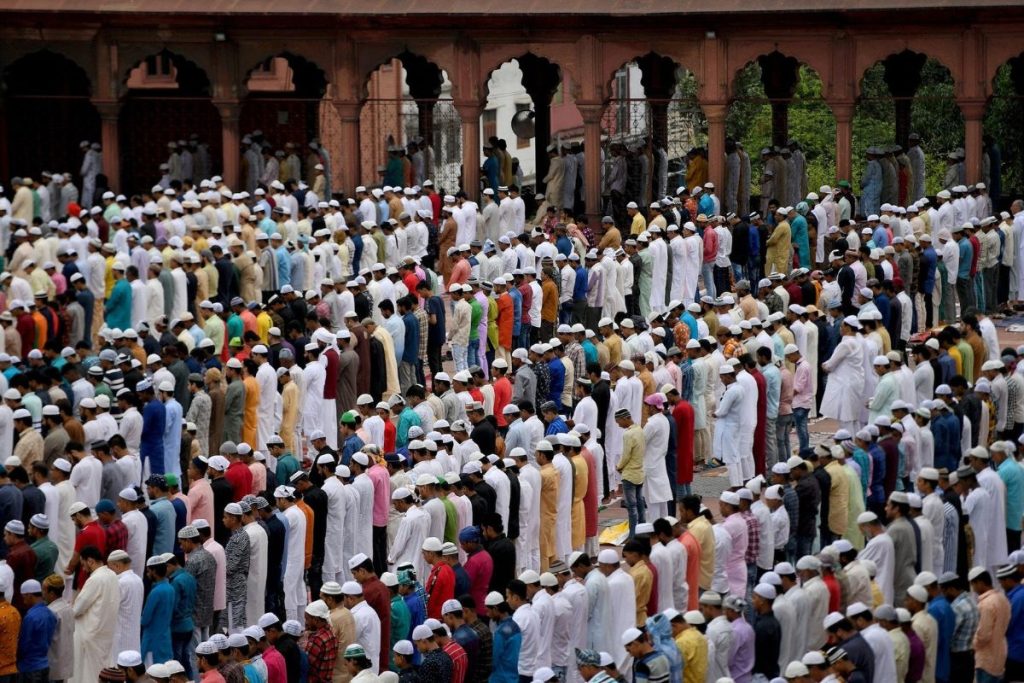
On Eid day, many Muslims rise early for a meal before dawn, put on new or best clothing and go to their local mosque for Eid prayers.
Imam conducts a special prayer service that brings the Muslim community together for prayers in the morning and is a mark for unity of many. And menstruating women, while excluded from praying, do still participate in the Eid celebrations.
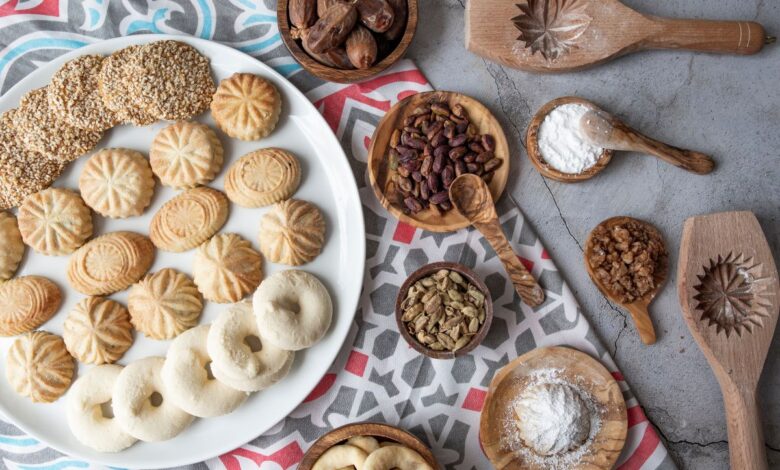
Eid is celebrated beyond prayer with special foods, new clothes, charity and the exchange of gifts, especially with children. It is a time to bring together family, friends, and community.
Fasting in Ramadan is one of the Five Pillars of Islam, and so it is of great importance, but Eid is a time to eat, to be thankful, the rejoice over God’s blessings.
Discover is Ramadan healthy or not, and more!
Eid Prayer and Post-Prayer Celebrations
Eid Prayer (Salat al-Eid):
- On the day of Eid, Muslims go to mosques or large prayer fields for a special Eid prayer: two rak’ahs (units of prayer) with additional Takbirs (saying of Allahu Akbar).
- Prayer Time: It is performed in the morning, shortly after sunrise.
- Khutbah: Following the prayer, an Imam offers a sermon who preaches about being grateful, helping one another, and giving in charity.
- Zakat al-Fitr: Prior to the prayer, Muslims must provide Zakat al-Fitr, a charitable donation to support those in need in enjoying Eid.
Let your kid read Hassan and Aneesa Celebrate Eid and discover the beauty of Eid!
Post-Prayer Celebrations:
- Eid Greetings: People greet with Eid Mubarak (Blessed Eid) and Taqabbal Allahu minna wa minkum (May Allah accept from us and from you)
- Muslims visit family and friends: It is an opportunity to visit family and friends and to eat and laugh together.
- Dinner and Sharing: Traditional dishes and sweets, such as dates and samosas, are prepared and shared.
- Exchange of Gifts/Eidi: Children are given money (Eidi) or gifts by elders as a gesture of love and celebration.
- Establishing Acts of Kindness: A lot of individuals utilize this opportunity to provide assistance to the needy, contribute to charity and do good.
These post-prayer celebrations define the happiness of the people during this festival, and after prayer, people celebrate the uplifting and gratitude for the almighty by being in the same place after prayer.
Read to your child the amazing story of The Night Before Eid and have an enjoyable evening!
Do You Fast on Eid?
No, Eid is not a month to fast. Eid al-Fitr and Eid al-Adha are both days of celebration and gratitude, and fasting on these days is contrary to the Sunnah of the Prophet Muhammad (peace be upon him).
It was narrated that Abu Sa’id al-Khudri (may Allah be pleased with him) said:
“The Messenger of Allah (peace and blessings of Allah be upon him) forbade fasting on two days; the day of Fitr and the day of Adha. (Sahih al-Bukhari 1990, Sahih Muslim 1137)
Narrated by Umar ibn al-Khattab (RA):
“These are two days on which the Messenger of Allah (peace be upon him) forbade fasting: the day when you break your fast after Ramadan and the other day when you eat from your sacrifice.” (Abu Dawood 2418, Tirmidhi 773, Ibn Majah 1722)
Quranic Perspective
While the Quran does not specifically say not to fast on Eid, it directs that Eid al-Fitr is the day we complete the fast and celebrate Allah’s blessings:
“And [want] for you to complete the period [of fasting] and to glorify Allah for that [to] which He has guided you, and perhaps you will be grateful.”
This verse emphasizes that Eid al-Fitr is a day of thanksgiving and joy, not fasting. Eid is a time for feasting and thanking Allah and fasting would go against the spirit of the event.
Conclusion
We don’t fast on Eid because Eid al-Fitr and Eid al-Adha are both days of celebration and gratitude, and fasting on these days is contrary to the Sunnah of the Prophet Muhammad (peace be upon him).
One Step closer to Allah
Learn the Quran Today 🌙
Source