Eid al Fitr marks the culmination of Ramadan. Due to the use of a lunar calendar in Islam, there will be different dates each year, and the dates are determined by moon sight. So, when is Eid after Ramadan?
Eid is after a month of the moon from the beginning of the holy month, approximately 29 or 30 days from the sighting of the new moon. Therefore Muslims worldwide use moon sighting reports from any local or global Islam authority to ascertain the date.
When is Eid after Ramadan?
Eid al-Fitr, which entails the conclusion of Ramadan, is likely to start on Sunday, March 30, 2025, in Egypt. The Egyptian government has announced Sunday, March 30, through Tuesday, April 1, 2025, as a public holidays for the occasion.
Muslims will then perform the Eid al-Fitr prayers on the morning of Sunday, March 30, in mosques and prayer grounds throughout the country, and the specific times of those prayers will vary by city. You should be aware that the official date of Eid al-Fitr may vary slightly depending on the sighting of the moon.
How Is Eid Al Fitr Celebrated?
Eid al Fitr is a festival to commemorate the end of Ramadan. Feasting, special prayers, and charity characterize the day. The following is the general way Eid al Fitr is being celebrated:
1. Special Eid Prayers
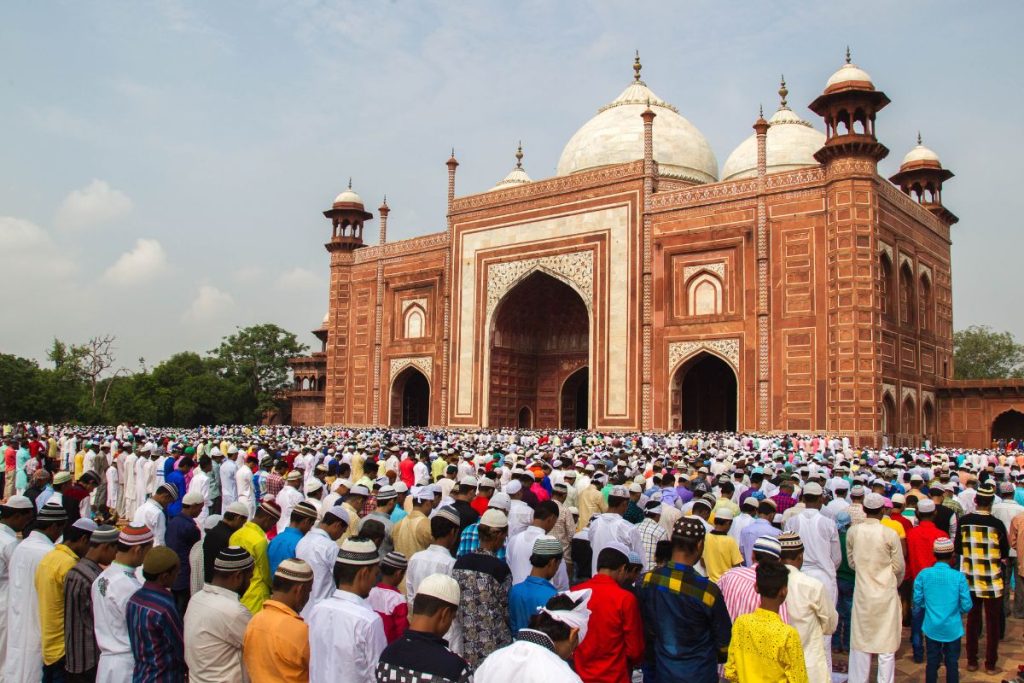
During Eid al Fitr morning, Muslims go to mosques or open areas to recite the special Eid al Fitr prayer, which consists of two rak’ahs and additional takbirs.
2. Zakat Eid al Fitr
Zakat Eid al Fitr, charity of poor Muslims for the Eid festival, and distributed before the Eid prayers, is obligatory. In this way, all can share in the joy of Eid al Fitr.
3. Putting on New or Best Attire
Individuals traditionally wear their finest attire, if new, to symbolize a kind of rebirth and in appreciation.
4. Eating and Sharing with Family and Friends
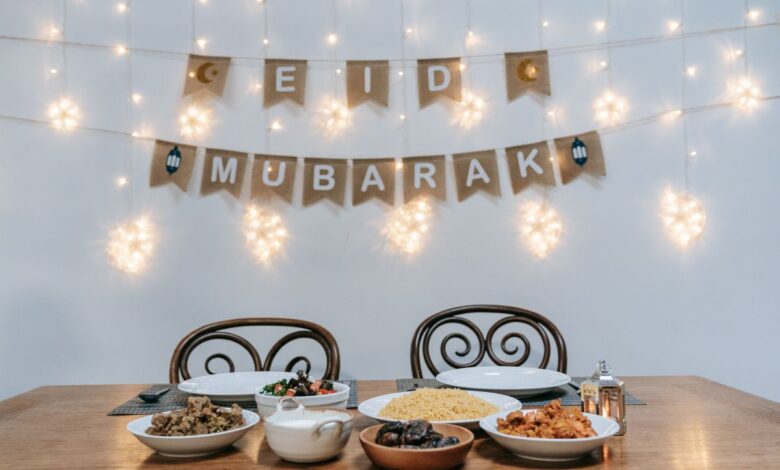
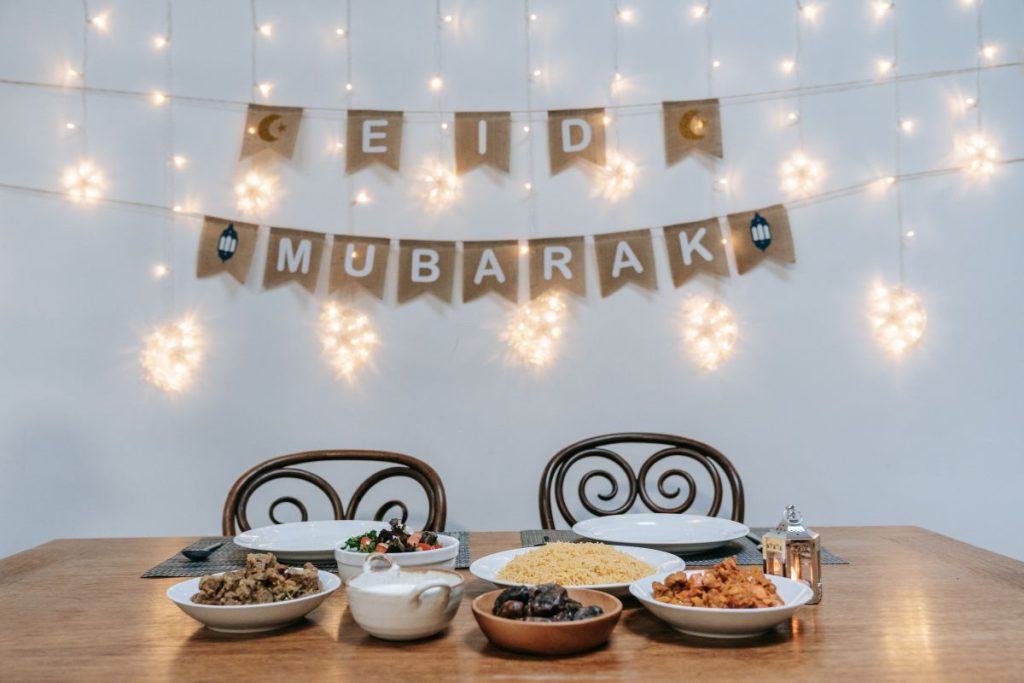
Eid al Fitr s celebrated by family and friends coming together to eat, dine, and partake in special foods and desserts like sheer khurma (sweet milk vermicelli dessert), baklava, maamoul (date cookies), and samosas.
5. Greeting and Gift Giving
“Eid Mubarak” messages, and giving of gifts, particularly Eidia (gifts or money for kids).
6. Charity and Community Work
They both demonstrate benevolence by helping the poor without ever nursing grudges against those who do not own anything. It is a moment of joy for Eid al Fitr, where people can practice giving thanks, celebrate, and be generous towards others. It is something that reminds the Muslim society of such great lessons of benevolence, brotherhood, and beliefs.
What Does Eid Mubarak Mean?
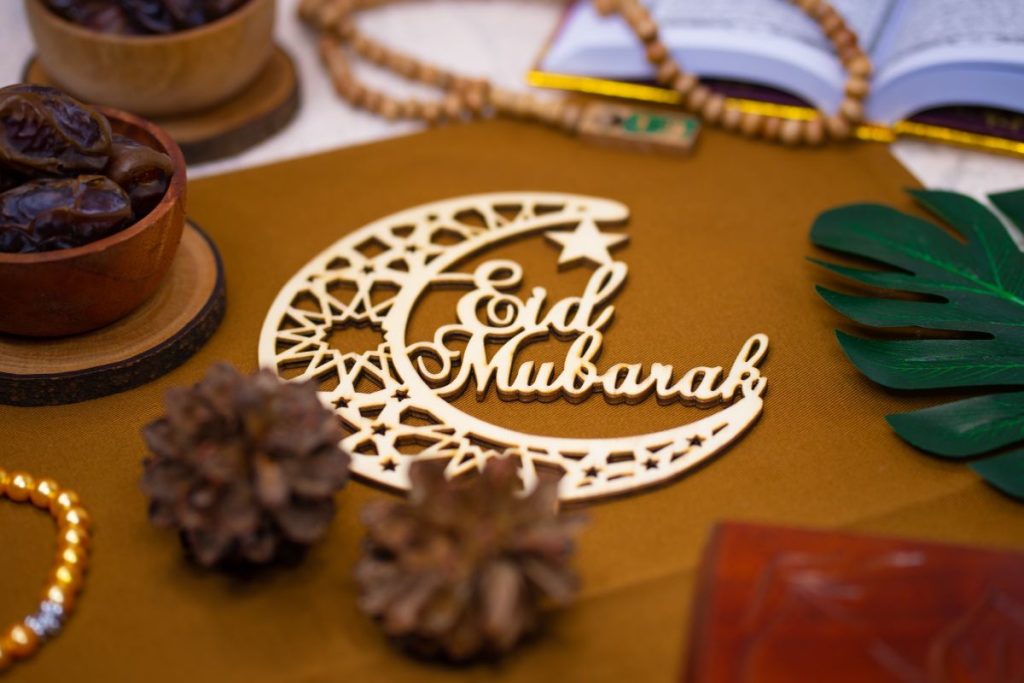
“Eid Mubarak” is a simple Arabic greeting applied in the case of Eid al Fitr and Eid al Adha celebrations.
It simply means either “Happy Eid” or “Blessed Eid” and is spoken more to convey a state of happiness, blessings, and prosperity to other men on these two religious festivals.
Eid is an Arabic word that means ‘feast or festival’. The second component “Mubarak” blessed or means to this greeting, the Arabic speaker would utter an “Eid Mubarak to you as well” or a “Khair Mubarak,” wishing reciprocally.
This greeting encapsulates the essence of Eid for the Muslims in the different cultures around the world, what Eid is all about, that is celebration, thanksgiving, and being together.
How Different Cultures Around the World Celebrate Eid al Fitr?
Eid al Fitr is a joyous day, but the two Eids are each commemorated differently by different people because of the difference in the elaborate rituals and practices based on location. This is how different countries mark this joyous period:
1. Saudi Arabia: Grand Prayers & Grand Feasts
In Saudi Arabia, they celebrate Eid al Fitr by praying in unison in huge mosques, followed by cheerful, tranquil throngs stepping out for outings. Lavish, delectable banquets are laid out, usually kabsa (meat-rice with spices), dates, and other Arabic delicacies like baklava and maamoul. Maybe the seniors are the ones who give Eidiya (gift money) to kids, while friends and their families go around visiting each other while engaging in acts of charity.
2. Egypt: Streets Full of Celebrations
Egypt’s Eid al Fitr is where it’s all about street-level celebrations, jazzy, festive, and decked out with twinkling lights. The masses go to parks, the Nile Corniche, and theme parks, so it’s a festival worthy of a parade.
3. Turkey: “Şeker Bayramı” (Sugar Feast)
Eid is also referred to as “Ramazan Bayramı” or “Şeker Bayramı” (Sugar Feast) in Turkey due to the lavish sweets such as baklava and lokum (Turkish delight). Distribution of sweets and money is revealed to the children so that they go and visit the elderly members of the family, and come back and collect sweets and money. Even some folks go to the graveyard to visit the deceased.
4. Indonesia: Mudik (Homecoming) and Traditional Cuisine
Millions of Indonesians across the archipelago are retracing their steps in a mudik ritual: going home to be with kin during holidays. Food for celebration is ketupat (coconut leaf-wrapped rice packages), rendang (beef stew in spicy-gravy), and opor ayam (chicken cooked in coconut curry).
5. Chand Raat: Chand Raat in Pakistan
At Eid night is all about some last-minute shopping, application of henna, and dressing in new clothes. Kheer is on Eid day, and children get Eidi from older people. The festive mood cannot be complete without meeting relatives and praying together.
6. Nigeria Durbar Festival: Nigeria commemorates by praying
Eid by praying, eating, and a trip to the Durbar Festival, where horsemen go riding in procession. There is home consumption of traditional foods. Greeting and celebrating music does a good deal of joking about the holiday.
7. “Hari Raya Aidilfitri” in Malaysia
It is also referred to as Open Houses and Multicolored Attires in Malaysia, where it is time for an open-house celebration, where families will invite their neighbors and friends of every race over for a meal. Baju kurung and baju melayu are the traditional Malay dressing, and among the delicious rich food consumed are satay, rendang, and ketupat.
8. Sweet Delights & Festival Attire: In Bangladesh and India
Eid is a sweet food day in the form of sheer khurma (date milk pudding). People put on their finest attire to visit mosque prayers, and that is where people socialize and wish each other a happy Eid. Shouts of joy echoed at the malls as families broke their fast.
9. Morocco: Holiday Bread & Family Unions
Eid is a domestic celebration in Morocco, and people dress in djellabas and kaftans. Feast foods eaten are msemen (layered pancakes), harira (lentil and tomato soup), and lamb. One of the most important customs includes the salute and gift to the poor.
Eid is a mosque and open-air prayer in Somalia, and the consumption of canjeero (fermented pancakes), spiced stew, and shaah (spiced tea). Eid is a celebration of family bonds, neighbor visits, and charity. While Eid al-Fitr is celebrated around the globe, each society has something distinct regarding tradition, cuisine, and customs, and the celebration is distinct yet universal in thanksgiving, charity, and joy.
Conclusion
Eid al-Fitr is a festival that unites Muslims all over the world, however, every culture has many traditions, foods, and customs concerning that very notion. While the ways of celebrating may differ, at its core lie the values of gratitude, generosity, family, and togetherness.
Wherever Eid al-Fitr is celebrated, it conveys convivial rejoicing, charitable actions, and blessings of faith.
One Step closer to Allah
Learn the Quran Today 🌙
Source